
Rough-Terrain Cranes vs Crawler Cranes
- February 24, 2026
Choosing Between Rough-Terrain Cranes and Crawler Cranes
Choosing the right type of crane can make a significant difference in how smoothly a lifting project runs. Jobsite conditions, mobility needs, and lift requirements all play a role in determining which crane is the best fit. Understanding the strengths of different crane types helps support safer and more efficient operations. At Southway Crane & Rigging, we understand how important proper equipment selection is for complex lifting projects of all sizes. That is why we have outlined some key considerations when comparing rough-terrain cranes vs crawler cranes.
+ Learn more about how to choose the right crane for your project
Both rough-terrain cranes and crawler cranes are designed for challenging worksites, but they serve different purposes. Knowing how each crane performs in various environments can help guide better planning and execution.
Mobility and Jobsite Access
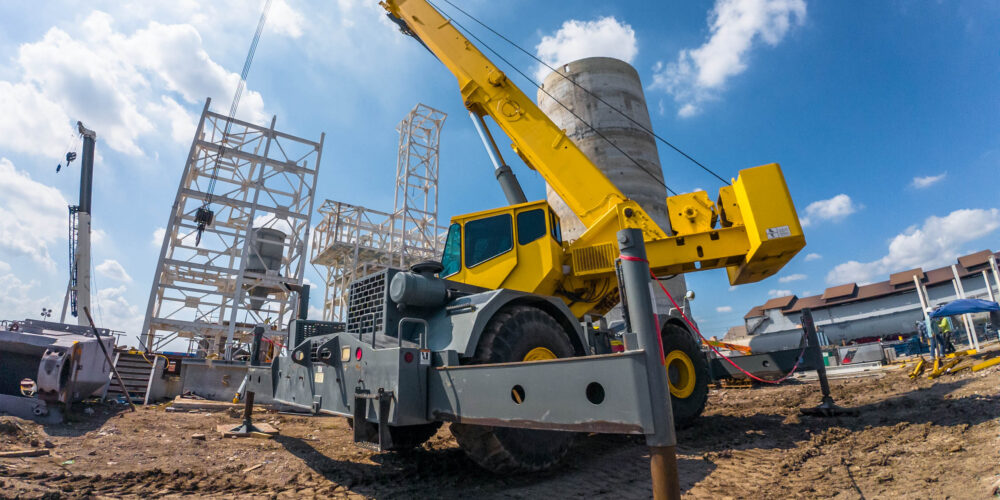
Rough-terrain cranes are built for mobility on uneven or unpaved surfaces. Their design allows them to move easily around confined or changing jobsite conditions. This makes them a practical option for projects where the crane needs to reposition frequently or access tight areas.
Crawler cranes, on the other hand, move on tracks rather than wheels. This allows them to travel across soft ground with improved stability. While they move more slowly, crawler cranes can remain onsite for extended periods and reposition while carrying loads, which can support efficiency on large-scale projects. Proper planning also includes maintaining and inspecting crawler cranes to ensure safe, reliable operation throughout long-term use.
Lifting Capacity and Stability
Crawler cranes are often selected for heavy lifting and long-duration projects. Their wide track base provides strong stability, which supports lifting larger loads over longer periods. This makes them well-suited for infrastructure work, industrial construction, and projects that require repeated heavy lifts. Performing a pre-lift inspection for crawler cranes is also essential to verify that all components are functioning properly before beginning any heavy lifting tasks.
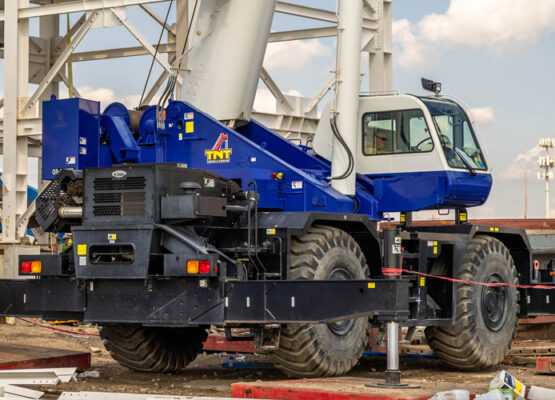
Rough-terrain cranes typically handle lighter to moderate loads. Their compact design supports quick setup and efficient lifting in areas where space is limited. Stability is maintained through outriggers, which are deployed during lifting operations.
Setup Time and Flexibility
Setup time can influence project schedules. Rough-terrain cranes are known for faster setup, making them useful for short-term jobs or projects with multiple lift locations. Their flexibility supports dynamic jobsite needs without extensive preparation.
Crawler cranes usually require more time to assemble and prepare, but they offer long-term reliability once in place. This makes them a strong choice for projects where the crane remains in one area for an extended duration.
Planning the Right Crane Solution
Selecting the right crane involves considering terrain conditions, lift requirements, and overall project scope. Planning ahead helps ensure the crane supports both safety and productivity throughout the job.
At Southway Crane & Rigging, we help clients select the right crane solutions for their specific lifting needs. Contact us to learn more about our crane rental services and how our team can support your next project with expert planning and equipment selection.
Related Blogs
- April 20, 2026
Understanding the Load Capacity of Rough-Terrain.
How to Understand the Load Capacity of Rough-Terrain Cranes At Southway Crane & Rigging, understanding the.

- December 12, 2025
Benefits of Using Crawler Cranes for.
How Crawler Cranes Support Heavy-Duty Construction Projects Crawler cranes play a valuable role on construction sites.